Training the Lazy Brain: From System 1 to System 2 Thinking
The Challenge of Two Minds
Daniel Kahneman wrote in "Thinking, Fast and Slow" that Human cognition operates through two distinct systems,System 1 and System 2. There is System 1, our "lazy brain", which provides automatic, intuitive responses that are effortless but prone to biases. Then there is System 2, our "thinking brain", which delivers deliberate, analytical reasoning behind accurate decisions and responses but requires significant mental energy. The fundamental challenge is that our cognition naturally defaults to the lazy brain's quick judgments, even when careful analysis would serve us better
This lazy brain operates like what Seth Godin calls the "lizard brain", a primitive system that's "hungry, scared, angry, and horny," focused solely on immediate survival rather than long-term success. It creates resistance to growth through procrastination, perfectionism, and fear of standing out. Meanwhile, our thinking brain remains underutilized, relegated to solving more complex and larger problems. At the same time, System 1 handles most daily decisions through mental shortcuts that worked for our ancestors but often mislead us today.
The Solution: Mental Models
"You need a different checklist and different mental models for different companies. I can never make it easy by saying, 'Here are three things.' You have to derive it yourself to ingrain it in your head for the rest of your life." - Charlie Munger
Charlie Munger was Warren Buffett's long-time business partner and vice chairman of Berkshire Hathaway. Munger was known for his business acumen, investing philosophy, and his approach towards mental models.
Charlie Munger's approach offers a practical bridge between these systems. Rather than fighting our cognitive limitations, we can train the lazy brain by building what he calls a "latticework of mental models"—thinking tools from psychology, economics, mathematics, and other disciplines that become automatic over time. As Munger explains, "You've got to have models in your head, and you've got to array your experience on this latticework of models."
The key insight is that mental models can become habitual. When we repeatedly practice inversion ("How could this fail?"), Consider opportunity costs or check for cognitive biases; these analytical processes gradually require less conscious effort. We're essentially programming System 1 to incorporate System 2's rigor, creating what Munger calls "consistently not stupid" thinking rather than relying on sporadic brilliance.
Some Examples of Mental Models
Inversion: Approach problems frontwards and backward by asking "What would guarantee failure?" in addition to asking "How would this succeed?"
Circle of Competence: Knowing the boundaries of your knowledge and staying within them. It's not how big your circle is, but knowing where the edges are. In practice, this means before giving advice or making decisions, honestly ask, "Do I really understand all the variables and facts that govern this decision?" When investing, hiring, or choosing services, recognize when you're outside your expertise and either learn more or consult someone who knows.
Opportunity Cost: Every choice means saying no to alternatives. The real cost of anything is what you give up to get it. When saying yes to a meeting, project, or purchase, ask "What am I giving up?" Money spent on one thing can't be invested elsewhere.
First Principles Thinking: Break problems down to fundamental truths and reason up from there, rather than reasoning by analogy. When told "that's how we've always done it," ask "Why?" multiple times until you reach the basic reason. Question assumptions in your routines and rebuild from what's actually true.
Margin of Safety: Build in a buffer for error, uncertainty, and bad luck. Leave 15 minutes early instead of "just enough" time. Save more money than you think you need. Under-promise and over-deliver. Don't schedule back-to-back commitments.
Practical Training Strategies
Training the lazy brain requires systematic intervention and practice. One, we must recognize resistance when it appears. Godin suggests naming the lizard brain aloud: "I'm procrastinating because my lizard brain is afraid," which immediately shifts control to System 2.
Second, we must build checklists that encourage multidisciplinary analysis, asking what psychology, economics, and mathematics each suggest before significant decisions are made.
Marcus Aurelius anticipated this challenge millennia ago, preparing his mind each morning by acknowledging human nature's defaults while choosing deliberate responses: "We were born to work together like feet, hands, and eyes." This daily mental preparation trains System 1 to expect complexity rather than seeking simple explanations.
The compound effect emerges through consistent practice. Each time we fall prey to availability bias (judging probability based on memorable examples) or anchoring effects (overweighting initial information), we strengthen neural pathways that make future recognition automatic. The lazy brain gradually incorporates these checks, transforming from obstacle to ally.
One effective training method, as suggested by Charlie Munger, is to begin with one or two models and practice them deliberately for a month. This approach is advantageous when you encounter decisions that you typically make quickly using System 1 thinking. Over time, as these models become interconnected, you will develop the ability to view problems from multiple perspectives.
Another effective way to train System 1 using System 2 models is by actively engaging with the mental models as you encounter various situations in your readings.
Beyond Individual Thinking
The ultimate goal isn't eliminating System 1 thinking—its speed and pattern recognition remain essential—but upgrading its default responses. When Munger achieved this integration, seemingly intuitive investment decisions actually reflected decades of trained multidisciplinary analysis. His "lazy brain" had been educated to think systematically.
Integrating mental models into System 1 cognition compounds over time, leading to better thinking. Better thinking leads to better decisions, which provide feedback that improves our mental models, creating what Munger calls the "compound interest of better thinking." The lazy brain that once sought cognitive ease learns to find satisfaction in the deeper understanding that comes from rigorous analysis.
Training the lazy brain isn't about forcing constant System 2 engagement; that's unsustainable. Instead, it's about upgrading System 1's automatic responses through deliberate practice with mental models, recognizing cognitive biases, and employing systematic approaches to complex decisions. As we develop these thinking habits, our brains are further equipped to meet the challenges that arise day-to-day with our System 1 brain.
References
 edwin
edwin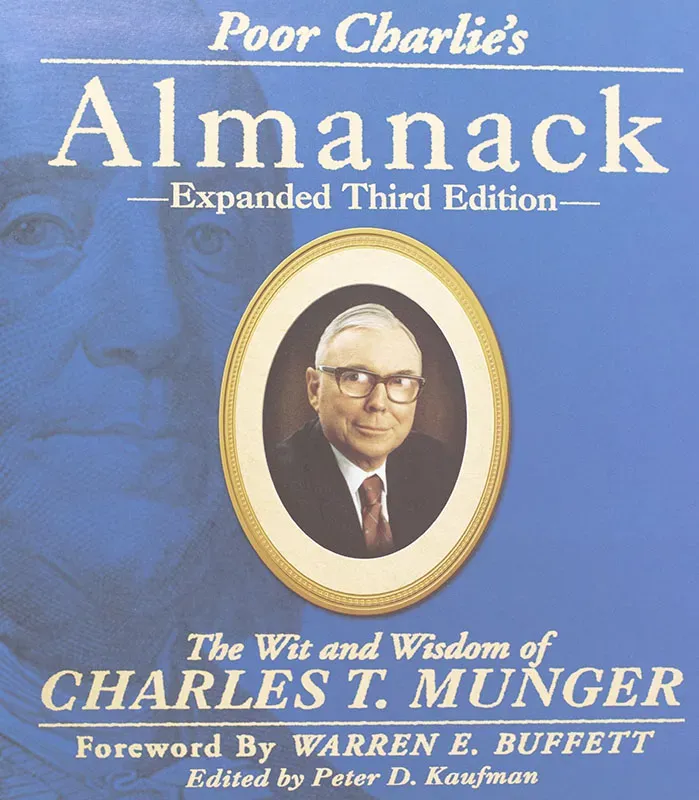
Member discussion