Lessons from the Early Innings of AI
Business Insider reported today that Uber's COO said it's getting harder to justify the money spent on tokenmaxxing. The backstory is that Uber burned through its 2026 AI coding budget by April, and Microsoft followed with its own news about canceling most internal Claude Code licenses in its Experiences + Devices group. The press framing is that AI isn't delivering, but that's not what happened. Uber gave Claude Code to its 5,000 engineers back in December, with no scoping of which workflows would justify $500 to $2,000 per seat per month, and Microsoft did the same. When the bill came due, leadership called it a cost problem, but it's really a procurement problem. Heavy users were generating 70% of the code at Uber, which means the tool was working; nobody just scoped where it pays back and where it doesn't.
https://x.com/i/trending/2058666435661168660
This is why VibeShift exists. The gap in transforming with AI isn't whether AI coding tools work; it's that almost nobody inside these companies has been trained on the capabilities or on where to point them. A senior engineer who knows how to scope an agentic loop, write a tight plan, and shut it off when it stops making progress costs the company a fraction of what an untrained heavy user costs running the same tool. Companies that train their people on this will keep spending and pull ahead, and the ones that don't will keep canceling licenses and tell themselves AI didn't pan out.
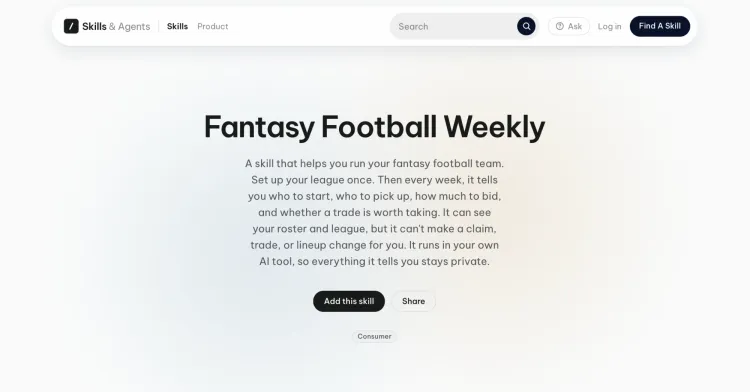
I've seen this play out firsthand at Narmi, with the same shape of problem. The fix wasn't to pull back on AI, it was to tighten how people used it. That meant better training on how to prompt, a library of skills people could pull from instead of starting cold every time (which is the kind of thing we run at skills.uristocrat.com), and teaching people how to set up a project or harness around a task so the model has the context it needs to produce useful output instead of generic slop. The folks who did this got real leverage, and the ones who didn't burned tokens and gave up.
The other piece is knowing where to point it. Right now AI is at its best on internal workflows, the stuff that cuts the coordination tax: an engineer scoping a ticket, a PM pulling a spec together, an analyst writing a query, a CS rep drafting a response. Anywhere a knowledge worker is doing the same shape of work a thousand others have done before, AI is fast and cheap. Consumer-facing AI features are a little further out, because AI works on past data sets, and the model that knows what a million people did yesterday is not the same as the model that figures out what one person wants tomorrow. Creative AI is still being developed, so the companies winning today are the ones pointing the tool inward at their own cost structure, not just outward at their product.
Frequently Asked Questions
Did Microsoft ban Claude Code?
Not company-wide. Microsoft is canceling most Claude Code licenses inside its Experiences + Devices group by June 30, and that team is moving to GitHub Copilot CLI instead. Other parts of Microsoft can still use Claude Code, and the move is as much about tool consolidation as it is about cost.
Why is Microsoft canceling Claude Code licenses?
Two reasons stacked. The first is cost: thousands of engineers got access in December and the token-based bills climbed fast. The second is consolidation: Microsoft owns GitHub, GitHub Copilot CLI exists, and rolling everyone onto its own toolchain is cheaper and simpler to manage than paying for a competitor's product at scale.
What does this mean for engineering teams thinking about AI coding tools?
The takeaway isn't that AI coding tools don't work, it's that handing the same tool to every engineer with no scoping is a procurement mistake. Teams that train people on how to prompt, run a skills library, and set up project context around their work are getting real leverage. Teams that don't are burning tokens and pulling the plug.
Is AI coding actually worth the spend?
For the right workflows, yes, and the Uber data backs this up. Heavy users were generating 70% of the code at the company before leadership pulled back, which means the tool was doing real work. The question isn't whether AI coding pays back, it's whether the company has trained its people to point the tool at the workflows where it pays back, and shut it off everywhere else.
Member discussion